Who Should be Tested for STDs and How Often?
Oct 31, 2026
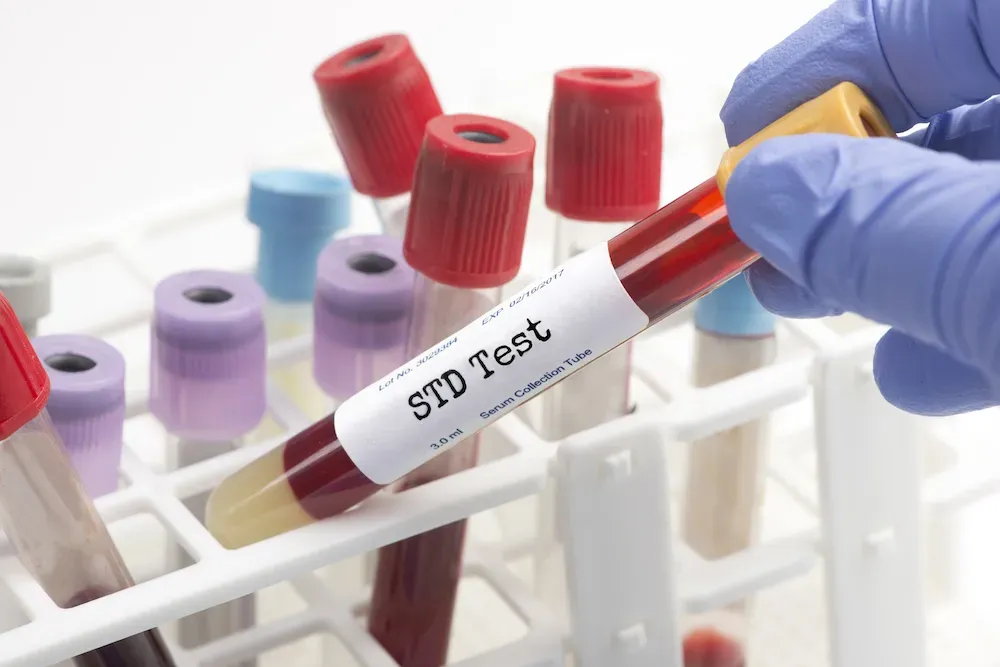
Whether you’re 25 or 55, if you’re sexually active, it’s important to protect yourself from sexually transmitted diseases (STDs).
At Emucara Immediate Care, serving Bloomfield Township, Northville, Grosse Pointe Woods, and Royal Oak, MI, our experienced providers offer STD testing for teens and adults.
Read on to see if you should schedule STD testing and how often.
STDs are often “silent” at first. You may not have any noticeable symptoms. However, if you don’t receive treatment, there can be serious health consequences — not only for you, but also for your baby if you’re pregnant, as well as for your partners. Here are reasons why regular testing for STDs for sexually active women is critical.
Are you looking forward to having children one day? An undiagnosed STD can ruin those dreams, resulting in trauma to the female reproductive system, including:
If you or your daughter becomes pregnant and you have an undiagnosed STD, results can include a low-birth-weight baby, stillbirth, or a congenital infection like blindness in the baby. STDs can have lifelong, life-changing adverse consequences.
One STD, hepatitis B, can lead to cancer and cirrhosis of the liver. HPV can lead to cervical and other types of cancer.
Untreated syphilis causes brain, nerve, eye, and heart damage. Eye damage may lead to blindness. Herpes causes painful genital flare-ups that are easily transmitted to others. Chlamydia and other STDs can lead to reactive arthritis.
Everyone, including men, 13-64 years old, should be tested for HIV at least once.
Sexually active teenagers and women younger than 25 should be tested for gonorrhea and chlamydia annually. If you’re older than 25, you should be tested for these STDs every year if you have additional risk factors, such as a new partner, multiple partners, or a partner with an STD.
If you’re at increased risk for an STD, you should be tested for chlamydia and gonorrhea as soon as you find out you’re pregnant and retested during pregnancy.
If you’re pregnant, you should be tested for syphilis, HIV, and hepatitis B and C as soon as you know you’re pregnant. You should be retested if you’re at increased risk.
To schedule your STD screening, contact the location closest to you. We have offices in Bloomfield Township, Northville, Grosse Pointe Woods, and Royal Oak, MI.